Peptide Calculator
Precision dosage tools for laboratory research purposes only.
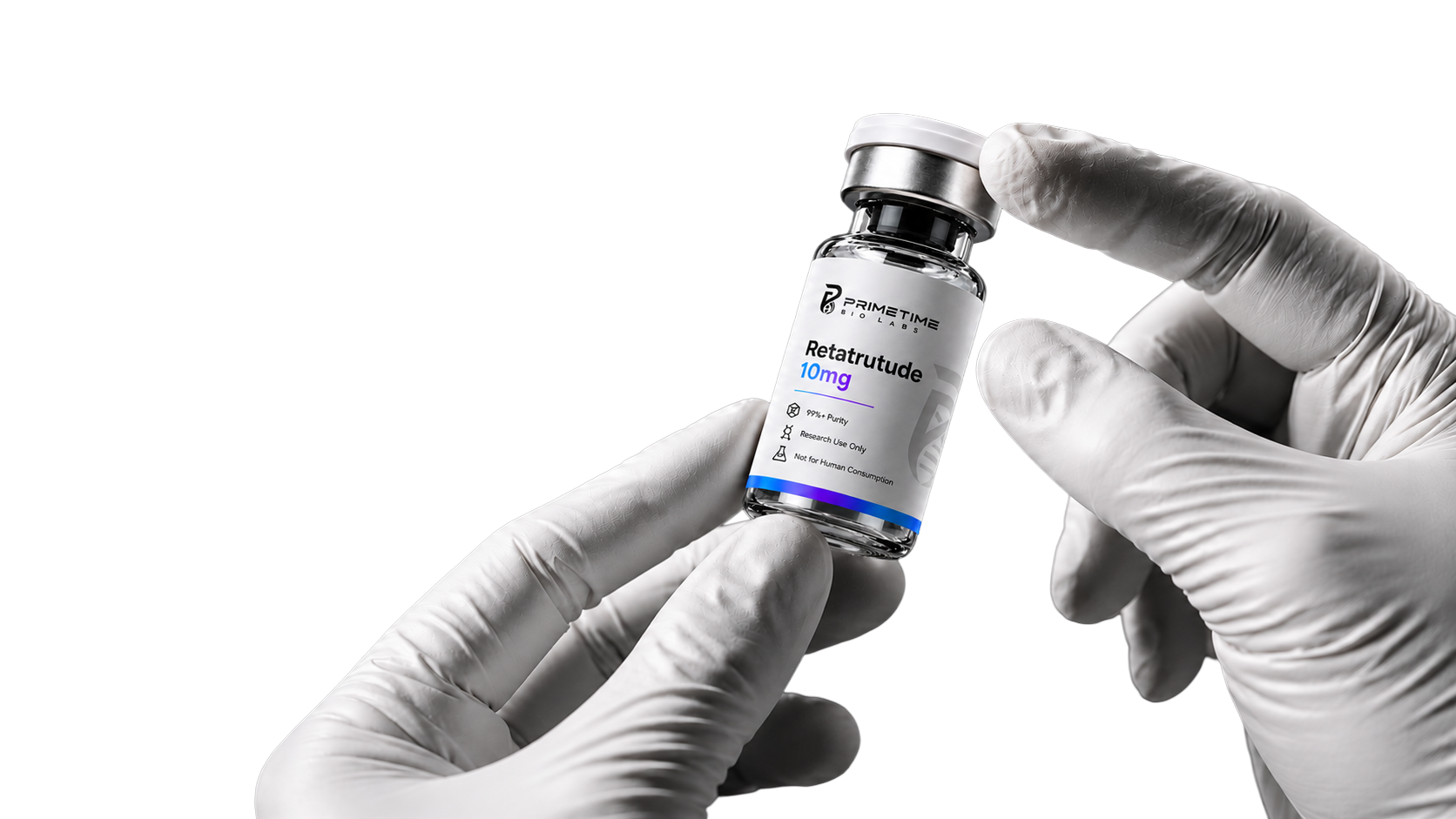
Whether you're working with a 2mg, 5mg, or 10mg peptide vial, accurate reconstitution math is non-negotiable. This calculator eliminates dosing errors by converting your vial concentration into precise syringe units — no manual math required.
Reconstitution Configurator
Calculated Draw
Precision is
Non-Negotiable.
Whether you are working with a 2mg or 10mg vial, guessing your math leads to ruined protocols, wasted resources, and inaccurate research data.
Wasted Peptides
Over-diluting destroys concentration efficacy.
Data Integrity
Inconsistent dosing ruins long-term observational data.
The Solution? Automation.
Our calculator removes human error entirely. Input your variables, get exact syringe units instantly.
Step 1: Prep
01Wipe the rubber stoppers of both the peptide vial and bacteriostatic water with an alcohol swab. Wait 30 seconds for it to dry completely.
Step 2: Transfer
02Draw the exact amount of bacteriostatic water. Inject it into the peptide vial slowly, aiming for the glass wall, not the powder directly, to avoid damaging the fragile bonds.
Step 3: Dissolve
03Do not shake. Gently swirl the vial in a circular motion until the powder is completely dissolved and the liquid is perfectly clear.
Reconstitution Guide
The Perfect
Mix.
Peptides are delicate amino acid chains. Rough handling during the reconstitution process can break these bonds, rendering the compound useless.
Variables Required
- Vial SizeTotal mg
- BAC WaterVolume (mL)
- Desired DoseTarget mcg/mg
Reading a U-100 Syringe
The most common mistake is confusing "Units" with "mL" or "mg". A standard U-100 insulin syringe holds 1mL of liquid, which is divided into 100 units.
The Mathematics of Reconstitution
Understanding the formula behind the calculator is critical. It allows you to verify your math and ensure complete dosing accuracy.
The Universal Formula
Example Scenario
- Vial Size: 5mg (5,000mcg)
- BAC Water Added: 2mL
- Desired Dose: 250mcg
The Calculation
(250 ÷ 5,000) × 2mL = 0.1mL
Dilution Guidelines
How much bacteriostatic water should you add? While the volume of water does not change the total mg of peptide in the vial, it drastically alters the concentration. Here are the standard recommended dilution ratios.
| Vial Size | BAC Water Volume | Resulting Concentration | Example: 250mcg Dose |
|---|---|---|---|
| 2mg | 1mL | 2mg per mL | 12.5 Units (0.125mL) |
| 5mg | 2mL | 2.5mg per mL | 10 Units (0.1mL) |
| 10mg | 2mL | 5mg per mL | 5 Units (0.05mL) |
| 10mg | 3mL | 3.33mg per mL | 7.5 Units (0.075mL) |
| 30mg | 3mL | 10mg per mL | 2.5 Units (0.025mL) |
Storage Masterclass
Improper storage degrades peptide purity rapidly. Follow these strict guidelines to maximize shelf life.
Lyophilized
Powder
In their dry, freeze-dried state, peptides are highly stable and can last for extended periods.
- Room Temp: ~30-60 Days
- Refrigerated (4°C): ~2-3 Years
- Frozen (-20°C): ~3-5 Years
Reconstituted
Liquid
Once mixed with bacteriostatic water, the bonds become fragile and begin degrading slowly over time.
- Refrigerated (4°C): ~20-30 Days
- Never Freeze After Mixing!
- Keep away from direct light.
The 3 Fatal Mistakes
Peptides are notoriously fragile. Avoid these three common errors that will instantly ruin your research compounds.
Shaking the Vial
Amino acid bonds are incredibly delicate. Shaking a reconstituted vial vigorously will shatter these bonds, completely destroying the peptide's efficacy. Always swirl gently.
Freezing Liquid
While lyophilized powder should be frozen for long-term storage, freezing a reconstituted liquid peptide will cause crystallization that irreparably damages the compound.
Wrong Water
Using standard sterile water instead of Bacteriostatic water allows bacteria to breed rapidly in the vial. BAC water contains 0.9% benzyl alcohol to prevent this.
Syringe Danger:
U-100 vs U-40
Not all syringes are created equal. Using the wrong type of syringe is the number one cause of massive overdosing in research.
U-100 Syringes (Standard)
Holds 100 units per 1mL. This calculator, and nearly all human-grade research, uses U-100 syringes exclusively.
U-40 Syringes (Veterinary)
Holds 40 units per 1mL. If you use a U-40 syringe with U-100 math, you will draw 2.5x the intended dose.
Visual Difference
Notice how 0.5mL is 50 units on U-100, but only 20 units on U-40.
The Science of Degradation
Peptide bonds are fragile amino acid chains. Understanding their half-life is crucial for research viability.
Day 1
Peak Purity
Day 15
Slight Degradation
Day 30
Noticeable Drop
Day 60+
Severely Degraded
The Essential Glossary
Master the terminology of peptide research to ensure complete accuracy in your protocols.
Lyophilized
A freeze-drying process that removes water to increase shelf life and stability.
Bacteriostatic Water
Sterile water containing 0.9% benzyl alcohol to prevent bacterial growth over time.
Subcutaneous
Injection into the tissue layer between the skin and the muscle.
mg vs mcg
1 milligram (mg) equals 1,000 micrograms (mcg). A critical conversion.
Frequently Asked Questions
Find answers to common questions about our products, testing standards, and research policies.
All our peptides undergo strict third-party HPLC and MS testing to guarantee a minimum purity of 99%. We provide Certificates of Analysis (COA) for every batch to verify these standards.
No. All products sold by Primetime Biolabs are strictly for laboratory research and in-vitro use only. They are not intended for human consumption, diagnostic, or therapeutic purposes.
We utilize temperature-controlled packaging and expedited shipping methods to ensure that all sensitive research materials remain stable and intact throughout the entire transit process.
Yes, we provide custom synthesis services for specialized research requirements. Please contact our support team with your specific sequence, purity, and quantity needs for a custom quote.